Natural Light vs Strobe: When to Use Each
Window light is free and beautiful. Strobes give you control. Knowing when to switch is the difference between a hobbyist and a working photographer.
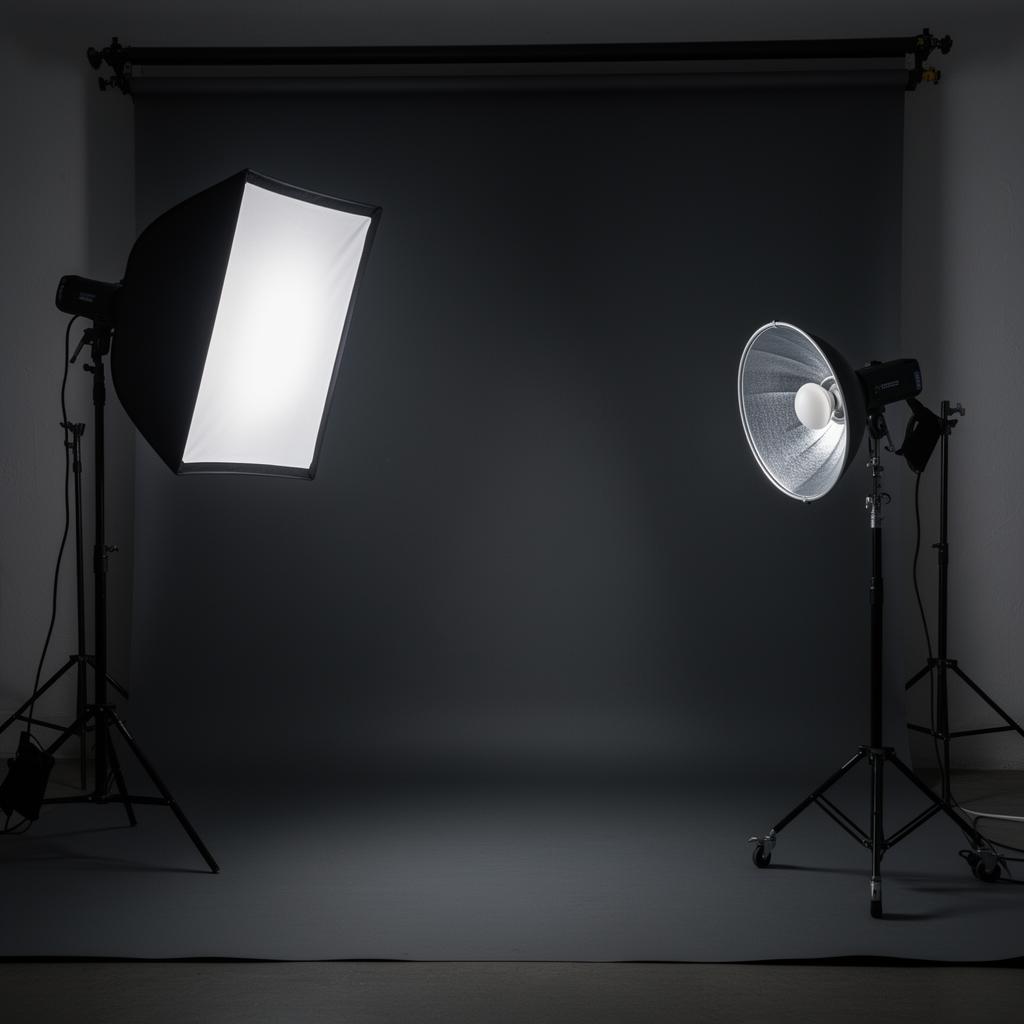
Light quality
Two variables describe any light: size relative to the subject (soft vs hard), and direction. A large source close to the subject is soft. The same source moved far away becomes hard. The sun is huge but ~150 million km away — so direct midday sun is hard light.
Natural light: what to look for
- 01North-facing windows give consistent soft light all day
- 02Open shade on a sunny day acts like a giant softbox
- 03Golden hour (the hour after sunrise / before sunset) is warm and directional
- 04Overcast skies are diffused — flat, even, forgiving for portraits
Strobes: why bother
Strobes (studio flash, speedlights) give you three things daylight cannot: predictable output, the ability to overpower the sun, and the ability to shape light with modifiers. A 500Ws monolight at 1/2 power through a 90cm octabox is the same exposure tomorrow as it is today.
Common modifiers
| Modifier | Light quality | Typical use |
|---|---|---|
| Beauty dish | Crisp, directional, slight falloff | Editorial portraits, fashion |
| Octabox / softbox | Soft, even, large source | Portraits, weddings, headshots |
| Strip box | Soft with controlled width | Rim/edge light, products |
| Bare reflector | Hard, contrasty | Drama, hair light |
| Umbrella (shoot-through) | Soft but spills everywhere | Quick setups, location |
Mixing the two
On location we routinely balance strobe to ambient: meter the ambient light first, then add flash one stop under to lift shadows, or one stop over to overpower the sun. Modern HSS (high-speed sync) lets the flash fire at shutter speeds above 1/250s, which is what makes f/1.8 portraits in midday sun possible.
Sources & further reading
Fact-checked against the sources above. Spot an error? Email studio@capturetime.co.
Continue · Lighting