Where the best wedding shots actually happen
An Edinburgh photographer's field guide to the moments worth waiting for — and where most couples (and most photographers) waste an hour they can't get back.
If you only remember one thing from this essay: the best wedding photographs are almost never taken where you think they will be. They happen in the ninety seconds outside the church before the doors open. In the corner of the prep room when no one is looking. In the back of the car between venues. Standing alone on the gravel at half past eight while the band sets up inside.
After more than a decade photographing weddings across Edinburgh, the Lothians and the West Coast, the same pattern keeps repeating. Couples agonise over the formal group shot list — which is the one part of the day photographs flatten — and forget that the in-between moments are what they'll actually want on the wall in ten years.
This is a working guide to where those moments live, how to make space for them, and why the church doorway is statistically the single most important fifty square feet of your wedding day.
1. Outside the church, before the doors open
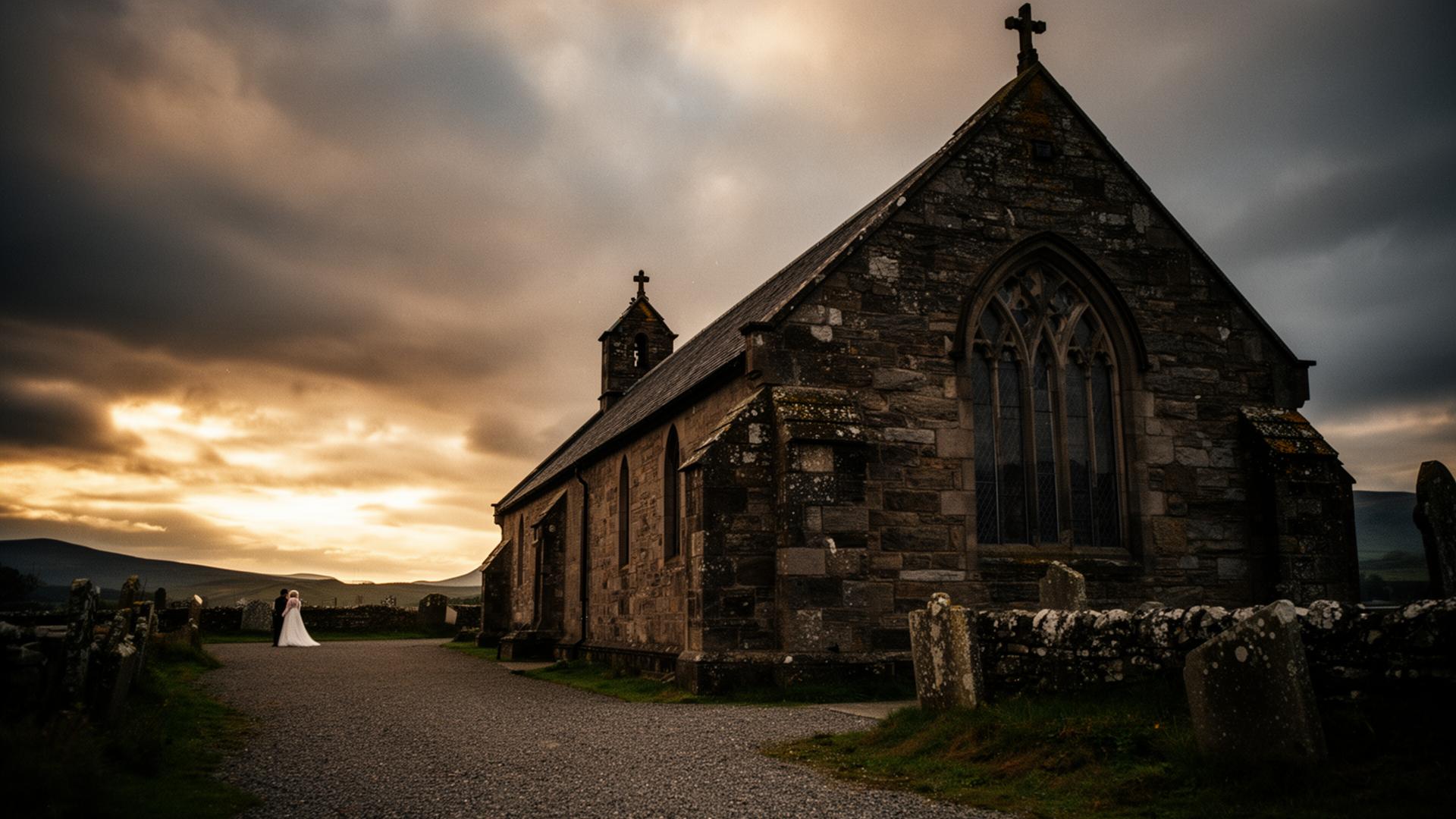
The strongest images of most Scottish weddings happen in the seven minutes before the ceremony, on the gravel outside the kirk. The dress catches the wind. The light is unfiltered. Family members arrive in a sequence — uncles, grandmothers, ushers — and the photographer has clear sightlines, soft natural exposure, and no audience yet competing for attention.
Most couples lose this entirely because they're told to wait inside the car until the bridal party is ready. Don't. Step out two minutes early. Walk the perimeter once. Let the photographer make the frame that ends up in the album.
“The church exterior is the only location of the day where the light, the architecture, the dress and the nerves all converge with nobody in your way. Spend time there.”
2. The walk in — but from the back
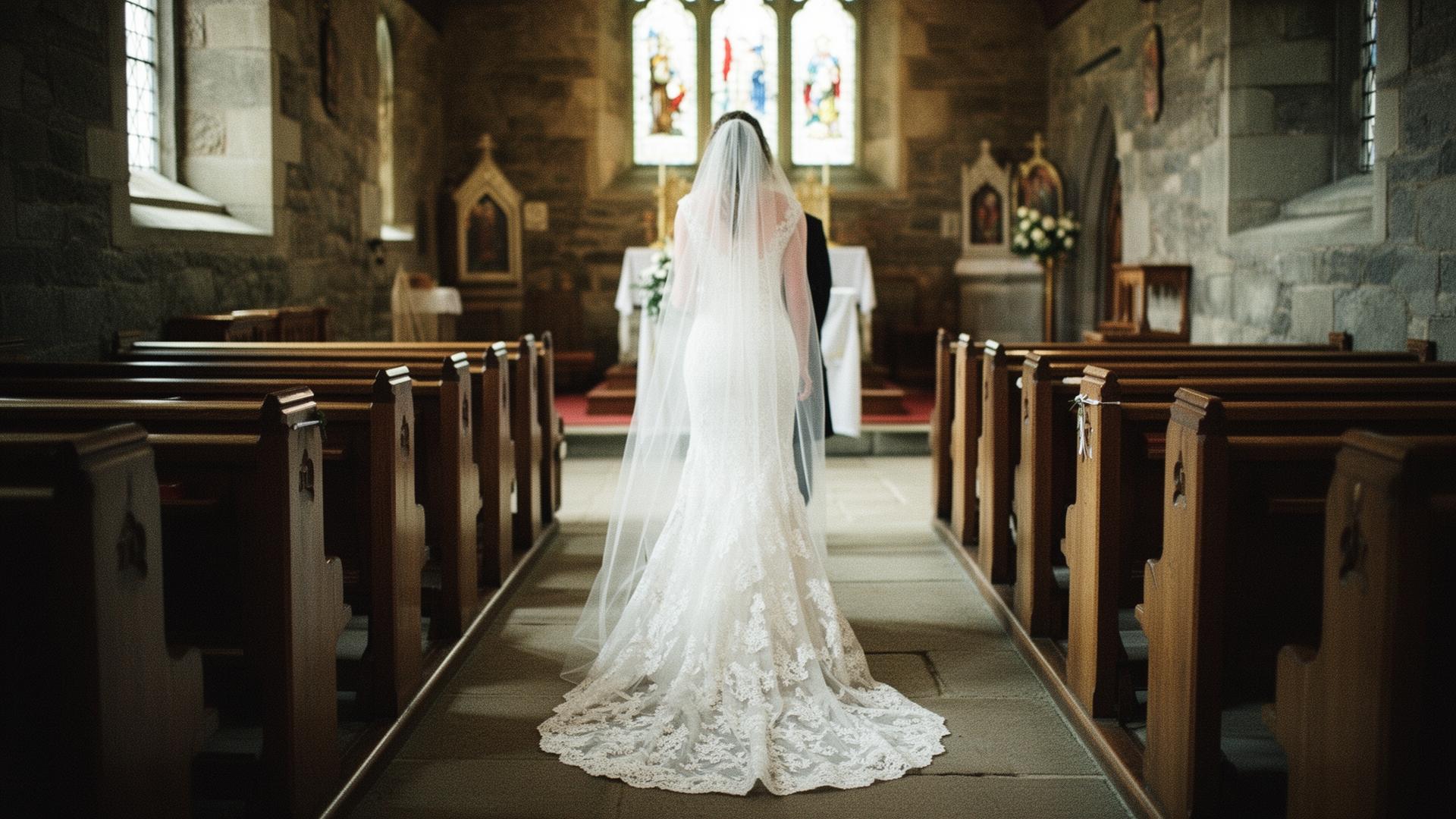
Every wedding gallery contains a version of the bride walking down the aisle. Most are taken from the altar end, facing the bride. The far better frame, almost always, is the one taken from behind — the train, the architecture, the rows of guests turning. It places you inside the moment rather than observing it. It's also the frame most likely to make it onto a wall.
3. The detail frames — and why you should leave the dress hanging for an extra ten minutes
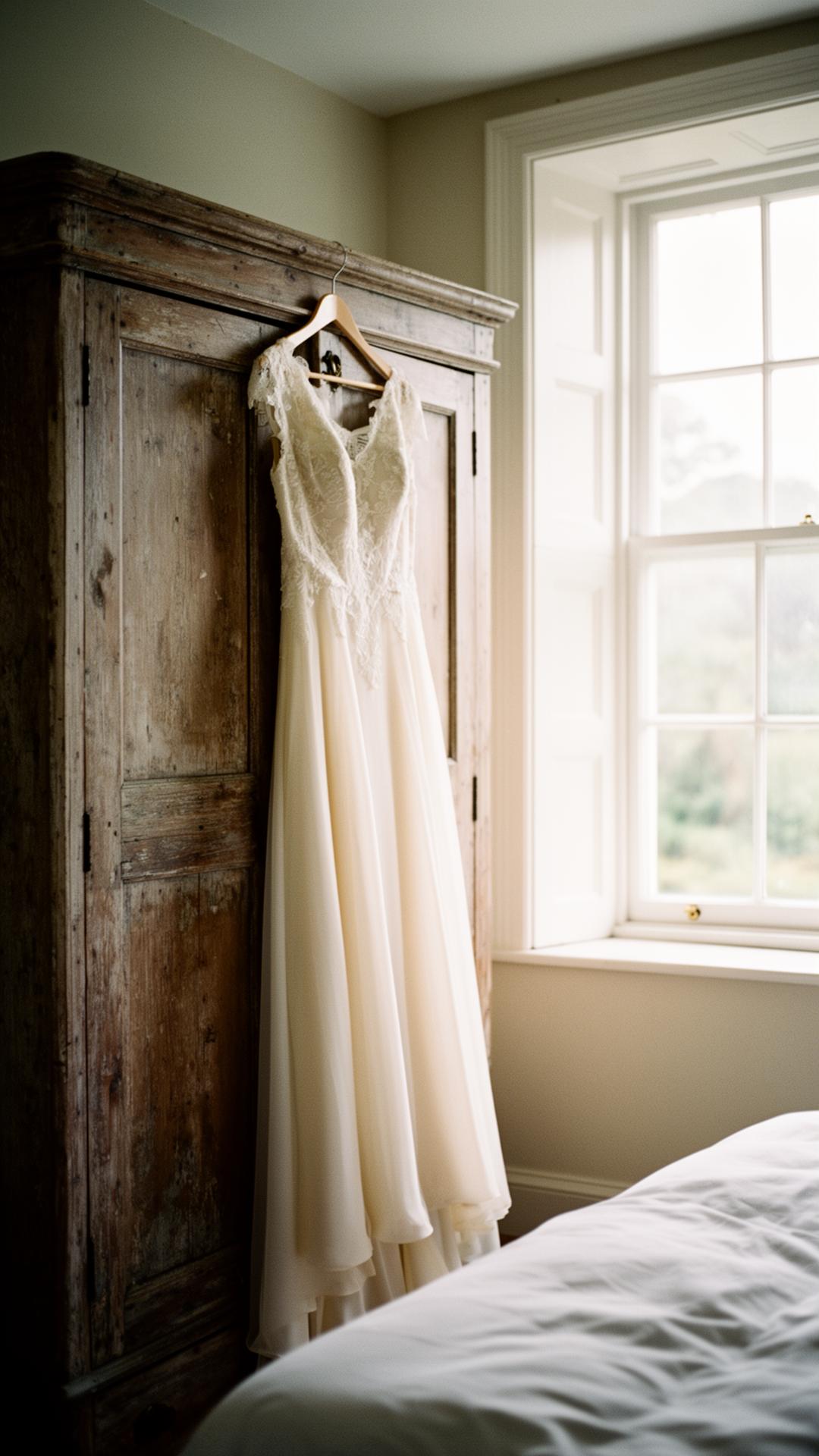
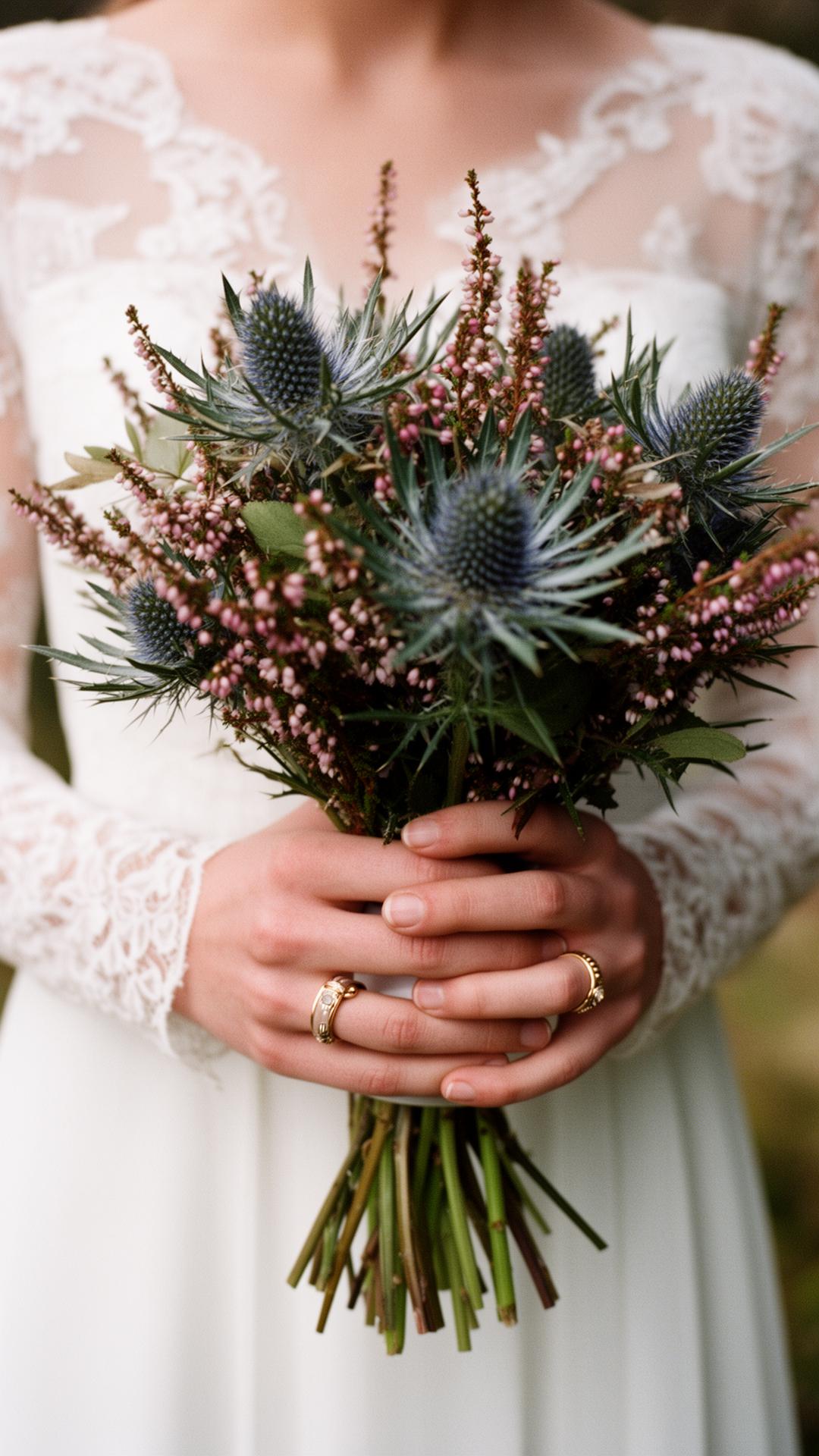
Bridal preparation is the most over-photographed and under-considered chapter of the day. The standard run — rings on a windowsill, dress over a wardrobe, shoes on a stool — is fine. The better version of all three is to leave the dress hanging for an extra ten minutes after you've stepped into it, so the photographer has time to make the still-life properly. Five minutes of patience here produces three images, not one.
4. The reception — but only the first thirty minutes
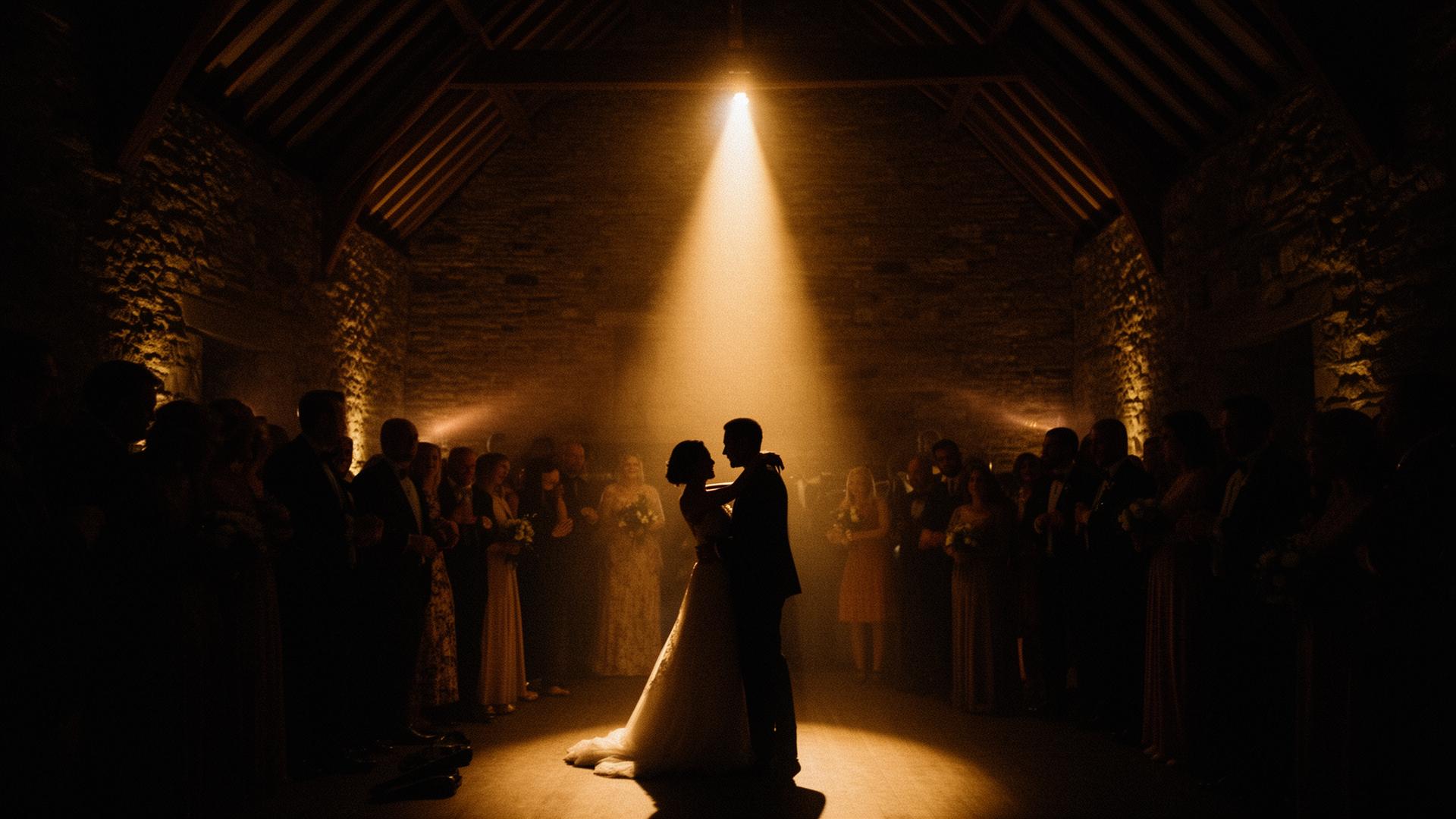
The first dance is the photograph everyone expects. It's also the moment when most reception venues turn the lights off, the DJ raises a smoke machine, and the photographer is left fighting for a clean exposure. The trick — counter-intuitively — is to ask the venue to leave the room dim and lit by a single warm overhead source for the first three minutes. One spotlight beats six up-lights. Silhouettes carry the photograph; identifiability is not the point.
5. The shots not to bother with
After a decade of weddings, here is the unromantic truth about the frames that consistently underperform:
- 01The 'fun' group shot of every guest jumping. Ages badly. Looks dated within eighteen months.
- 02The full reception room before guests are seated. A picture of empty chairs.
- 03Posed champagne toasts. Read as awkward in every gallery they appear in.
- 04Detail shots of branded venue signage. Photographs of marketing, not memory.
- 05Bridesmaids holding glasses up to the lens. A 2014 photograph in 2026.
6. Build a 'lost ten minutes' into the schedule
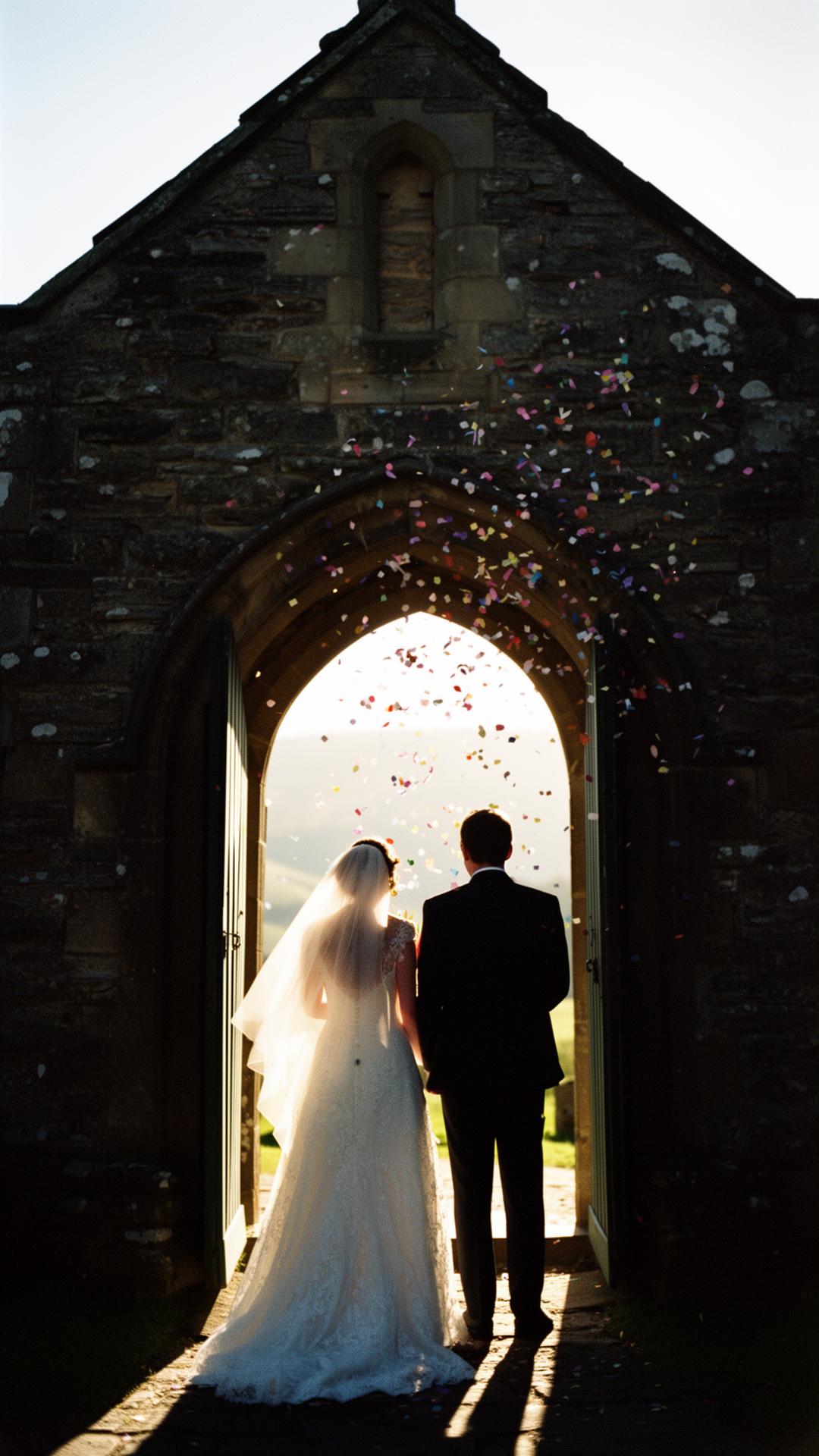
The single most useful thing a couple can do for their photographer is to formally schedule ten minutes between the ceremony and the drinks reception where nobody — not family, not the venue, not the band — is allowed to interrupt. We use it to walk you somewhere quiet, make four or five frames in good light, and hand you back. Those frames are reliably the strongest of the day.
Working with us
We cover around twenty weddings a year across Edinburgh, Glasgow, the Highlands and the islands. Coverage is documentary with light direction — observational by default, sculpted when it matters. Editorial moodboards are built per-couple and signed off before the day. To start a conversation, the Commission form is the fastest route in.
Commission a project
Starting a wedding, a campaign or a private commission?
A short form, a personal reply within 48 hours, and an honest read on fit.
Continue reading · Weddings